
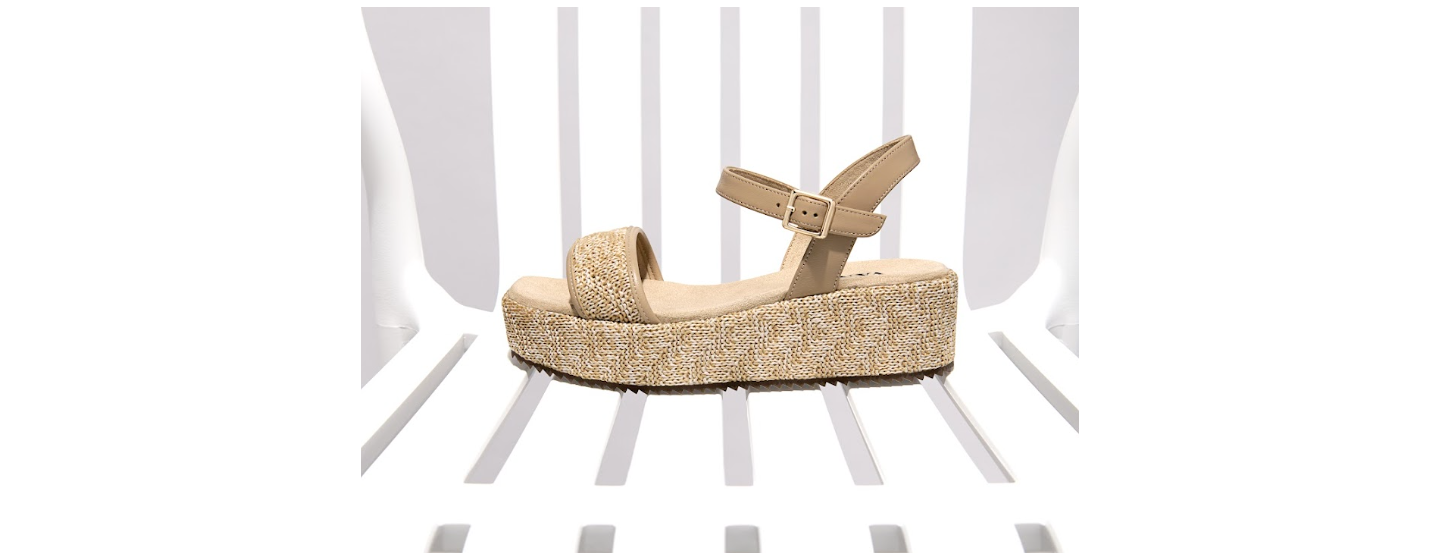
If you've spent years dealing with shoes that gap at the heel, slip off when you walk, or feel like they're just slightly too roomy no matter what size you buy — there's a good chance you've been wearing the wrong width your entire life.
Most shoe stores carry medium-width shoes almost exclusively. It's the industry default. But feet come in all shapes, and a significant number of women have narrow or slim feet that simply don't fit well into standard sizing. If that's you, it's not your feet that are the problem — it's that the shoes you've been buying weren't made for your foot shape.
Let's talk about what slim width shoes actually are, how they differ from other widths, and how to figure out whether they might finally give you the fit you've been looking for.
The Shoe Width Scale, Explained
Women's shoes are sized by both length (your standard shoe size) and width. Width is typically indicated by letters:
- SS or Slim — the narrowest option, sometimes called "super slim"
- AA or Narrow — also quite narrow, though slightly wider than slim
- B or Medium — the industry standard; what most shoes are made in
- D or Wide — more room across the ball of the foot
- EE or Extra Wide — the most spacious width option
VANELI is one of the few brands that carries the full spectrum — from slim all the way through wide — in a broad size range (4 to 13). You can browse the full slim and narrow collection here to see what's available in your size.
What Makes Slim Width Shoes Different
A slim or narrow width shoe isn't just a slightly tighter version of a regular shoe. The construction is actually different. The toe box is tapered more closely to a slimmer foot shape, the heel cup is more fitted, and the overall last (the foot-shaped mold the shoe is built on) is proportionally narrower.
This matters because a medium-width shoe that's simply cinched tighter with a strap or laces still has extra material and volume built into it — it wasn't designed for a narrow foot and will never fit quite right. A true slim or narrow width shoe is built from the start with a different foot shape in mind.
How to Tell If You Might Need a Slim or Narrow Width
There are a few telltale signs that you've been wearing the wrong width:
- Your heel slips. This is the most common complaint from women with narrow feet. If your heel lifts out of the shoe with every step, it's often because your foot is sliding forward in a shoe that's too wide — not because the shoe is too long. Our blog post on making wide shoes fit narrow feet covers exactly this situation, including some interim fixes while you find the right width.
- Shoes gap open at the sides or top. If there's visible space between your foot and the inner edge of the shoe, or the sides bow outward instead of laying flat against your foot, the width is too much for you.
- You've always needed insoles to make shoes feel secure. Adding insoles can help a too-wide shoe feel more snug but it's a workaround. The right width shouldn't need that fix.
- Ankle straps, buckles, or laces are always on the tightest setting. If you're consistently maxing out the adjustment on shoes, the shoe isn't built for your foot shape.
- Shoes wear unevenly. When your foot slides around inside the shoe, the outsole wears in unusual patterns.
If you're also navigating slightly different sizes between your two feet, our guide on shoes for different sized feet has practical advice on finding styles that accommodate both.
How to Measure Your Width
You can get a rough sense of your width at home without any special tools:
- Stand on a piece of paper and trace your foot while standing (not sitting — your foot spreads more when weight-bearing)
- Measure the widest part of your tracing across the ball of your foot in inches
- Compare to a women's shoe width chart — a measurement of 3.4 inches or less for a size 8, for example, typically falls into the narrow or slim range
Keep in mind that width fit can also be affected by foot shape beyond just measurements — a high instep, a particularly narrow heel, or a tapered toe shape can all influence how a shoe feels, even when the measurements look close to medium.
Why Getting Width Right Changes Everything
It might sound like a small adjustment, but finding the right shoe width is genuinely one of those things that changes how you feel about shoes altogether.
When a shoe fits your foot's actual shape — when the heel stays put, the sides hug your foot without squeezing, and your toes have just the right amount of room — you stop having to think about your shoes at all. They just work. No slipping, no gripping with your toes to keep things in place, no blisters from heels that rub because they're loose.
Women with slim feet who've never worn a properly fitted shoe often describe it the same way: it's like the shoe was made specifically for them. Which, in a sense, it was.
A Note on Style — You Don't Have to Sacrifice It
One of the frustrating things about shopping for specialty widths has traditionally been that the options were limited. You could find the fit but not necessarily the style.
VANELI was built specifically to solve that problem. The brand has been designing Italian-inspired shoes in specialty widths for over 50 years — including slim and narrow — across a full range of styles. Whether you're shopping for flats for the office, sandals for warmer weather, or heels you can actually wear all day (our guide