
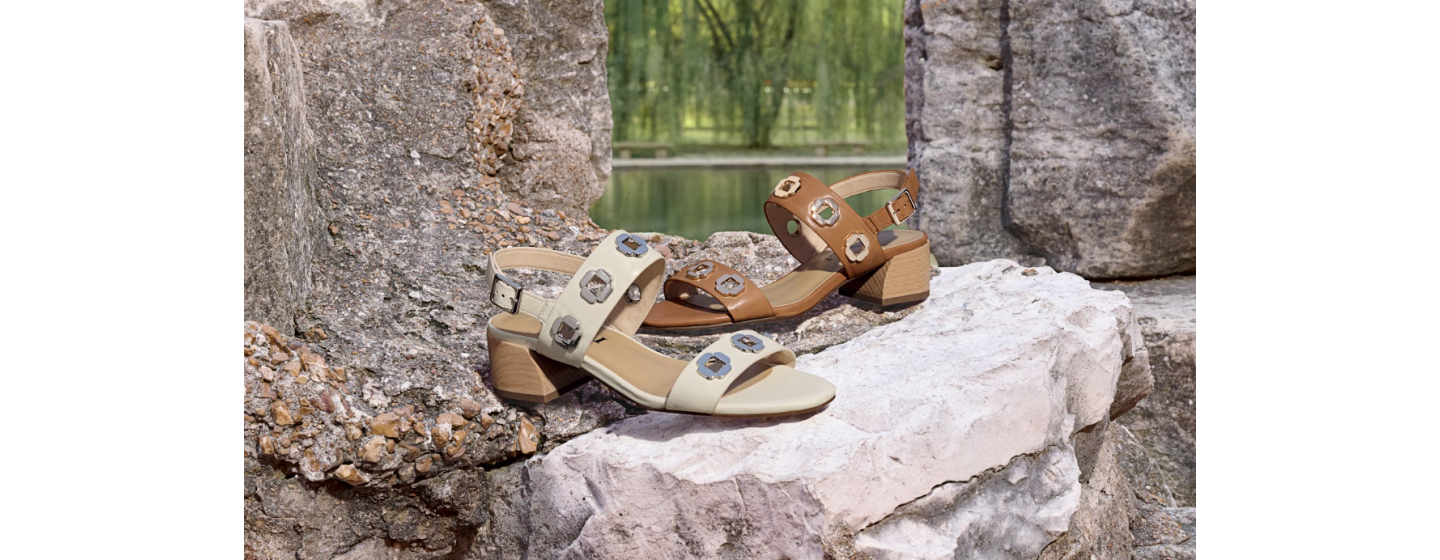
One of the biggest changes many women notice after 50 is that the shoes they've worn for years suddenly don't feel the same. Feet naturally change over time, often becoming wider and requiring more support and cushioning than before. The best shoes for women over 50 address these changes with width-specific fits, shock-absorbing footbeds, supportive construction, and timeless styling that works for everyday life. Comfort doesn't have to mean sacrificing fashion — in fact, the right fit can make every shoe in your wardrobe feel better.
Here's something no one talks about enough: your feet change as you get older. Not dramatically, not all at once — but gradually and meaningfully. The shoes that fit perfectly at 35 may pinch, rub, or simply feel wrong at 55. And that's not a sign that something is wrong with your feet. It's just biology.
The good news? Once you understand what's actually happening and what to look for in a shoe, finding footwear that feels genuinely great — and looks it too — is completely achievable.
Why Your Feet Change After 50
Several things happen to feet over time that affect how shoes fit and feel:
Fat pads in the heel and ball of the foot thin out with age, reducing the natural cushioning you once had. Ligaments and tendons lose elasticity, which can cause the arch to flatten and the foot to spread wider. Conditions like bunions, hammertoes, and plantar fasciitis become more common and can make previously comfortable shoes suddenly painful. Circulation changes mean feet may swell more throughout the day.
None of this is inevitable doom — it's just anatomy. And once you know what's happening, you can shop for it.
What to Look for in Comfortable Shoes After 50
Width That Actually Fits
This is the single most overlooked factor in shoe comfort at any age — and it becomes more important as feet naturally widen over time. Most shoe brands make only one width, but feet come in narrow, standard, wide, and extra wide. A shoe that's the right length but the wrong width will squeeze the forefoot, cause toe pain, and fatigue your foot far faster than a properly fitted shoe.
If you haven't been measured for width recently — or ever — that's the first step. Our complete women's shoe width guide walks you through everything you need to know.
Cushioning That Compensates for Lost Fat Pads
As the natural fat pads in the heel and ball of your foot thin out, you need more cushioning from your shoes to make up the difference. Look for memory foam or EVA footbeds, contoured insoles that support the arch, and shoes with enough interior depth to accommodate an orthotic if needed.
Arch Support That Matches Your Foot
As arches flatten with age, neutral or unsupported shoes can lead to overpronation and the fatigue and pain that come with it. Look for shoes with built-in arch support or a footbed contoured enough to provide some structure — especially for shoes you'll wear for long periods.
A Stable, Low Heel
High, thin heels concentrate pressure on the ball of your foot and reduce stability — both of which become more problematic as balance and cushioning change with age. A low block heel (1–2 inches) or a wedge distributes weight more evenly and keeps you far more stable over a full day.
A Roomy Toe Box
Pointed or narrow toe boxes compress the toes and aggravate bunions and hammertoes. Look for rounded, almond, or square toe shapes that give your toes room to lie flat without pressure. This makes a significant difference in comfort over several hours of wear.
Adjustability
Feet often swell throughout the day, especially in warmer months or after long periods of standing. Shoes with adjustable straps, laces, or elastic panels can accommodate that change far better than slip-ons with a fixed fit.
The Best Styles for Women Over 50
Supportive Flats
Not all flats are created equal. A well-constructed flat with a cushioned footbed, arch support, and a rounded toe box is one of the most versatile and comfortable options available — and they look polished with everything from trousers to dresses. Avoid ultra-flat ballet flats with no internal structure; look for styles that are well-constructed from the inside out.
Best for: Everyday wear, office environments, travel days.
Wedges
A wedge is arguably the most foot-friendly heeled shoe available. The continuous sole means your weight is distributed evenly from heel to toe — no pressure spike under the ball of your foot the way a stiletto creates. In leather or suede, wedges read as entirely polished and professional.
Best for: Occasions where you want height without sacrificing comfort, warm-weather dressing, all-day wear.
Wedge Sandals
A wedge sandal combines the stability of a wedge with the breathability and adjustability of a sandal — making it one of the best warm-weather options for women who want both comfort and style. Look for styles with adjustable straps and a contoured footbed.
Best for: Warm months, travel, casual and smart-casual settings.
Walking Sneakers
Modern walking sneakers have come a long way from the chunky athletic shoes of decades past. Today's styles combine genuine cushioning and support with clean, refined silhouettes that pair naturally with casual and athleisure outfits. If you're on your feet for long stretches, a well-made sneaker is often the single most supportive option available.
Best for: Long days on your feet, travel, casual everyday wear.
Block-Heel Pumps
For dressier occasions, a low block heel offers the height and polish of a classic pump with far more stability than a stiletto. Look for styles with cushioned insoles, a rounded or almond toe box, and a heel height of 1.5–2 inches for the most comfortable wear.
Best for: Professional settings, special occasions, events where you want a polished look without sacrificing comfort.
A Note on Sizing Up
Many women find themselves sizing up as their feet change — and that's understandable, because a wider foot often feels like it needs a bigger shoe. But sizing up gives you more length, not more width. The result is a shoe that may feel less cramped in the moment but causes heel slippage, toe gripping, and arch pain over time.
The right answer is usually a wider width in your existing size, not a longer shoe. If you've been sizing up for years, it may be worth getting properly measured again — both length and width.
The Bottom Line
Comfortable shoes for women over 50 aren't a compromise — they're just shoes that are built to fit the way your feet actually are right now. The features that matter most are proper width fit, cushioning that compensates for natural fat pad loss, a stable heel, and a toe box with enough room to be comfortable over hours of wear.
At Marmi, we build shoes in widths from narrow (AA) through extra wide (EE), so you can find styles that genuinely fit — not just styles that are close enough.